
As part of AtkinsRéalis, I contributed to the public realm and landscape design of Al Maryah Island — Abu Dhabi’s premier business and lifestyle district. The project required integrating climate‑responsive strategies with high‑end urban identity, creating a central hub that balances commercial vibrancy, cultural expression, and ecological resilience.
 Vision & Scope
-
Establish Al Maryah as a world‑class waterfront destination blending business, leisure, and recreation.
-
Create shaded pedestrian networks and green corridors to improve comfort in Abu Dhabi’s climate.
-
Integrate cultural and ecological identity into the urban fabric, ensuring landscapes resonate with local heritage.
-
Support Mubadala’s vision of a sustainable, mixed‑use district that attracts global investment and community engagement.
 Key Contributions
-
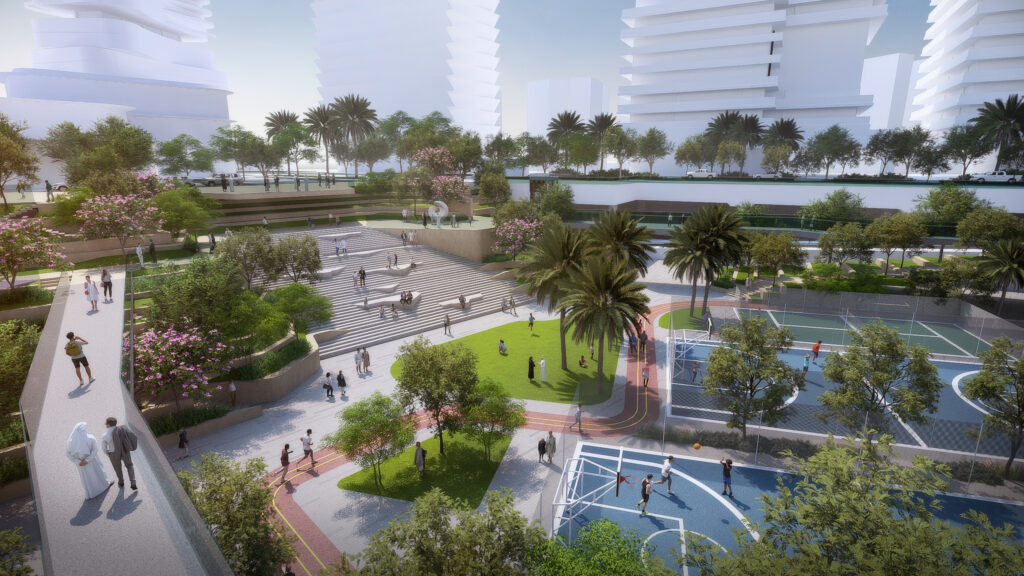
Central Park – Designed a multifunctional green heart with shaded seating, event lawns, and recreational zones.
-
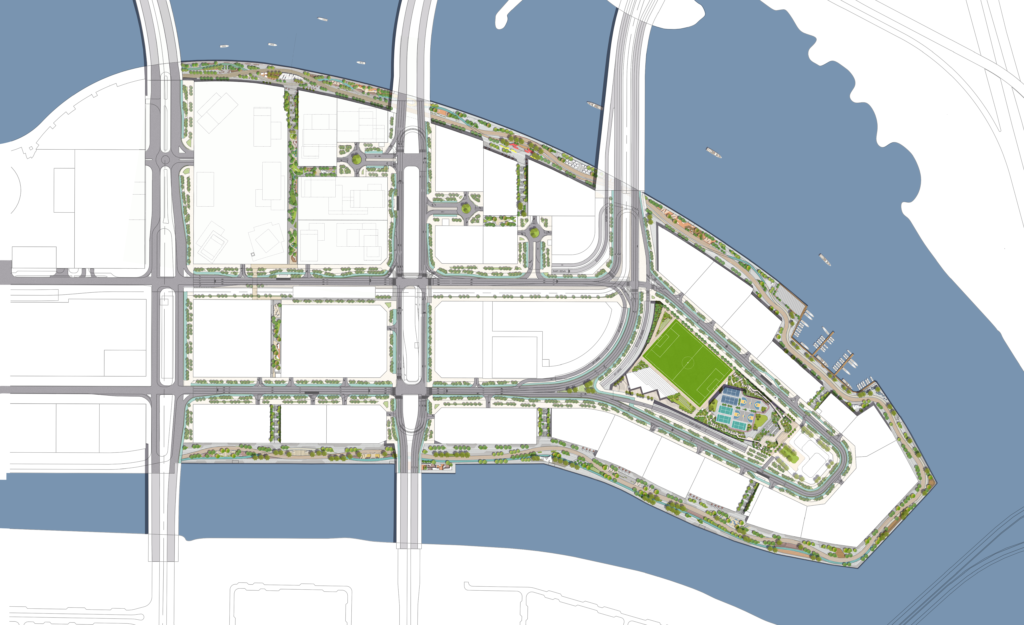
Waterfront Promenade – Developed pedestrian‑friendly promenades with planting, seating, and water features, enhancing connectivity and leisure.
-
Climate‑Responsive Planting Strategy – Applied native Ghaf, Sidr, and Date Palm alongside adaptive ornamentals to reduce irrigation demand and strengthen resilience.
-
Public Realm Framework – Coordinated hardscape and softscape palettes, ensuring seamless integration with architectural and infrastructural elements.
-
Sustainability Measures – Embedded shaded structures, water‑efficient irrigation, and resilient materials to withstand Abu Dhabi’s climate.
-
Urban Identity – Balanced modern design with cultural references, ensuring the public realm reflects Abu Dhabi’s heritage while appealing to international audiences.
 Impact
The Al Maryah Island public realm is envisioned as a benchmark for sustainable waterfront urbanism, offering shaded walkable streets, vibrant plazas, and ecologically resilient landscapes. It demonstrates how large‑scale development can integrate climate‑responsive design, cultural identity, and community well‑being into a cohesive urban framework.